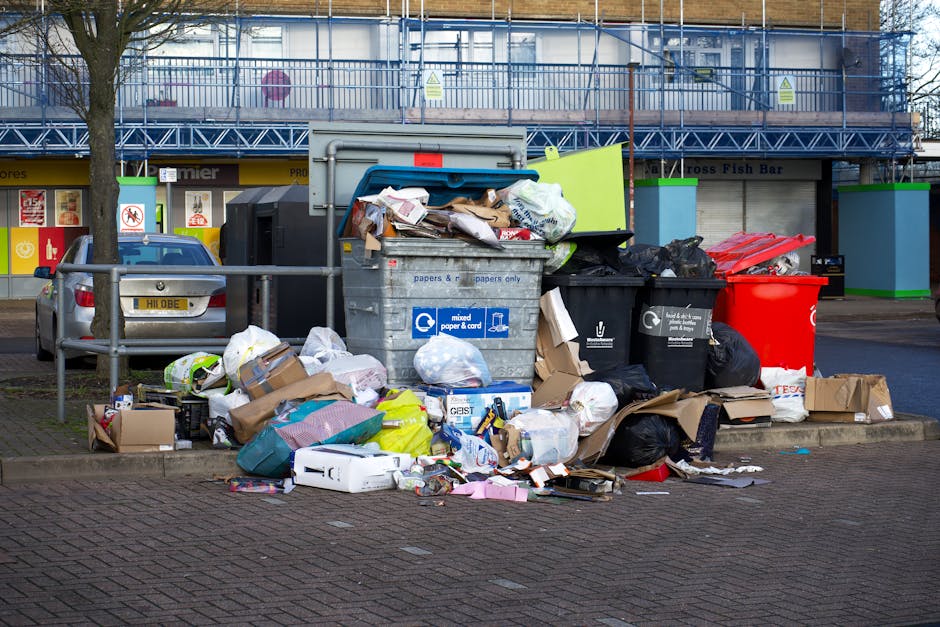
Commercial Waste in Wembley
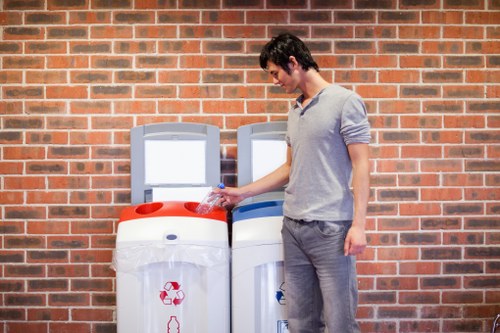
Commercial waste in Wembley needs a clear, dependable service that keeps business premises workable without turning routine clearance into a disruption. We provide commercial waste removal for offices, shops, hospitality venues, landlords, workshops and other premises that need regular or one-off collection of unwanted items, mixed rubbish and bulky materials. The emphasis is on straightforward removal, sensible sorting and a tidy finish so that the space can be returned to normal use with as little interruption as practical.
Our approach is designed around practical waste handling rather than a one-size-fits-all promise. Business premises often produce different waste streams, from packaging and shelving to obsolete stock, broken fixtures and office furnishings. A commercial waste service needs to deal with those variations safely and carefully, while keeping the process organised. If you need a broader overview of the service itself, the main business waste removal page gives a clear starting point, and our team can then discuss what fits your premises and timescale.
When you are ready to take the next step, use this page to judge the type of work involved, compare the options that matter and request a quotation in a way that is simple and direct. A brief description of the waste, access and likely quantity is usually enough to begin. If you prefer to review related services first, waste removal explains the wider service scope, while the final quotation request can be made once you have identified the most suitable route.
Business collections for different premises
Commercial waste is rarely uniform, so the service has to be flexible enough to match the setting. Offices may need the removal of desks, chairs, filing units, monitors and general accumulated rubbish. Retail units may be clearing out cardboard, display units, packaging or damaged stock. Hospitality premises can generate a mixture of back-of-house waste, furniture and redundant equipment. The value of a dedicated service lies in handling these streams in a controlled way rather than leaving staff to manage heavy or awkward items without support.
For many customers, the first question is not simply what can be taken, but how the removal should be organised around ongoing operations. That can mean working around customer opening hours, keeping access routes clear, and separating items that need special handling from general refuse. Where the waste includes furniture or fixtures, the related furniture disposal page is useful for understanding how bulky pieces are treated, especially when they are part of a wider office or retail clearance.
Typical commercial items we can help remove

The exact contents vary from site to site, but the work often includes a practical mix of light and heavy items. Typical commercial collections may cover office chairs, desks, cabinets, shelving, loose packaging, redundant signs, point-of-sale fittings and other general business waste. In some cases, items need to be sorted for separate disposal or recycling, while in others a single mixed load is the most efficient option. The important point is that the service should be matched to the material, not forced into an unsuitable format.
Offices, shops and premises with bulky items
Office and retail clearances often involve items that are awkward to store, move or dispose of through normal routines. A redundant printer or server cabinet may be more cumbersome than it first appears, while display furniture and counters can take coordination to remove safely. A commercial waste service helps bridge that gap by lifting, loading and clearing items from the premises in an orderly way. That is especially useful when a site is being reconfigured, refurbished or vacated.
Where business premises hold mixed waste alongside furniture, it is sensible to decide whether the job is best treated as a removal, a partial clearance or a more targeted collection. Some customers only need a few bulky items taken away; others need a fuller clear-out across several rooms or floors. The office clearance page is a useful related route if your waste is concentrated in a work area with desks, chairs, storage and equipment that all need clearing together. If you are comparing the most suitable service, it can also help to review the separate commercial waste removal option where available on the site.
For a smoother collection, it helps to set out which items stay, which items go and whether any pieces need to be dismantled before removal. That simple sorting step can make the work more efficient and reduce the chance of confusion on the day. It also helps ensure that the quotation reflects the actual load rather than a rough guess. Clear information early tends to lead to more accurate planning and fewer surprises later.
What commercial waste removal covers
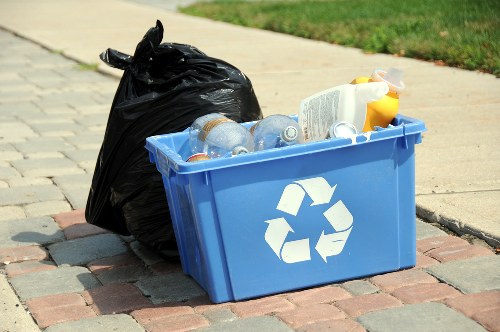
Commercial waste removal can cover a broad range of non-hazardous material from businesses and managed premises. That may include general rubbish, redundant furnishings, packaging, worn-out office equipment and mixed waste that no longer has a use on site. In practice, the aim is to clear the material efficiently while keeping the process as orderly as possible. For many customers, the real benefit is not only the removal itself, but the certainty that the space will be left ready for the next stage of work.
Some business waste needs a little more thought before it is removed. Items made from mixed materials may need separating, and fragile or valuable objects may need to be handled differently from standard refuse. If your load includes computer-related equipment, confidential paperwork or stock items that should not be treated as ordinary rubbish, it is better to mention that at the quotation stage so the collection can be planned properly. The confidential shredding page may also be relevant where paperwork forms part of the clearance.
For clarity, it helps to think of the work in three stages: assess the waste, decide how it should be removed, and confirm the access needed for the collection. That is especially useful where premises are busy or where the waste is stored in more than one room. If your business also manages recyclable materials, the recycling and sustainability page sets out the wider approach to responsible handling within the website’s service information.
Choosing the right collection for your site
Not every premises needs the same style of collection, and that is where careful service selection matters. A compact office with a handful of unwanted items may only need a quick removal, while a larger workspace, storage area or shop fit-out may require a fuller loading plan. The service should reflect the amount of waste, the layout of the site and whether items are easy to carry or need to be manoeuvred from confined spaces. A good match avoids over-ordering and helps keep the job focused.
If your priority is simply to clear an area and restore usable space, the best route may be a combined service that includes both loose rubbish and bulky pieces. Where the main issue is old fixtures, damaged chairs or redundant storage, a more item-specific collection may be enough. If the load comes from a home as well as a workplace, related pages such as flat clearance or house clearance can help you compare the scope of domestic and commercial-style removals without confusing the two.
- Use a targeted service when the waste is limited to a known room or storage area.
- Choose a fuller clearance when several categories of item need removing together.
- Separate any special materials or confidential items before the collection is arranged.
About Wembley

Wembley is a north-west London district best known for Wembley Stadium, whose original ground opened in 1923 and whose modern replacement became one of the capital’s most prominent sporting and entertainment venues. The area sits within the London Borough of Brent and is shaped by a mix of residential streets, local shopping areas and large-scale visitor infrastructure. Its built environment reflects several periods of change, from older suburban development to twentieth-century redevelopment and newer civic and commercial projects. Wembley Park, in particular, has become associated with major regeneration, high-density housing and leisure uses, while the broader district still retains a patchwork of local centres and community facilities. The area is also linked to transport routes that have helped define its character, including Wembley Stadium station, Wembley Central and Wembley Park station, each connecting different parts of the district to the wider city. Religious buildings, schools, parks and public spaces add to the varied local landscape, and the presence of major event venues gives Wembley a profile that extends well beyond its immediate neighbourhood boundaries. The result is a place with a strong public identity, recognisable landmarks and a continuing blend of older residential fabric with newer development. For many people, Wembley is associated not only with sport and concerts, but with the ordinary day-to-day life of a large, changing urban district in which housing, retail and public space sit side by side.
How quotations are usually planned
A sensible quotation starts with the facts that affect the work. The quantity of waste, the type of items, the access available and whether anything needs careful handling are usually the main points. Photographs can help, but a written description is often enough to begin if the load is straightforward. If the premises have stairs, shared corridors, loading restrictions or limited waiting space, those details are worth mentioning because they affect how the collection is planned. This makes the process more accurate without turning it into unnecessary admin.
It also helps to know whether the job is a one-off clearance or part of an ongoing pattern of waste that appears at intervals. Some businesses simply need a single visit after a refit or office move, while others need an arrangement that handles recurring surplus items. If your enquiry includes mixed waste and furnishings, the builders waste clearance page may be relevant where the material has come from fitting work, refurbishments or strip-outs rather than everyday operations. For straightforward pricing details, the pricing and quotes page is the clearest place to compare the company’s published information.
When you request a quotation, keep the description specific but concise. A short outline of what is being removed, where it sits and whether any access issues apply is usually the best balance. Useful detail saves time; unnecessary detail does not. Once the basics are clear, the collection can be matched more closely to the actual job rather than to a vague estimate.
Handling mixed loads and special items

Commercial premises often generate mixed loads rather than tidy single-category waste. A storage room might contain broken chairs, packaging, archive boxes and a few awkward fixtures all at once. That kind of job is best approached by separating anything that needs special treatment from the general load, then deciding how the rest should be cleared. A mixed collection can save time where the items are all suitable for the same broad removal process, but it still benefits from a clear description beforehand.
Some materials are best kept out of general waste altogether, either because they need a specific disposal route or because they should be treated separately for safety. The hazardous waste disposal page should be checked if the clearance includes substances or materials that cannot simply be bundled in with ordinary rubbish. Likewise, white goods and larger appliances need their own consideration, which is where the fridge and appliance removal page becomes useful for comparing the relevant service.
Where office furniture is the main bulk of the load, the related furniture clearance page gives a clearer picture of how larger items fit into the wider waste-removal service. That distinction can be helpful for businesses that are emptying a meeting room, replacing reception furniture or removing surplus desks after a reorganisation. A good quotation takes these distinctions into account, so the final plan reflects the real contents rather than a generic assumption.
Practical support for offices and workplaces
Many commercial clearances are driven by changes in the way a workplace is used. A business may be refurbishing, downsizing, reconfiguring a storage area or replacing old equipment in stages. In those situations, the waste service needs to support the operational change rather than interrupt it. That means removing what is no longer needed, keeping the site manageable and making it easier for the premises to be put back into productive use.
Where the load is office-related, it may include files, shelving, meeting furniture, workstations and miscellaneous items that no longer serve a purpose. Some of these can be removed together, while others may need to be separated in advance. If you are planning to clear an entire workspace, it can help to consider whether the waste is localised or spread across rooms. The loft clearance and garage clearance pages can also be useful comparison points when your stored business items are kept in auxiliary spaces rather than the main floor area.
The best results usually come from a clear description of the job and a realistic expectation of what needs to be moved. That allows the collection to be organised around the actual layout and avoids unnecessary disruption on the day. It also keeps the service focused on the items that matter most, rather than on broad assumptions about what might be present.
Requesting a quotation for commercial waste in Wembley
To request a quotation, begin with a simple summary of the waste and the location within the premises. The most helpful details are the type of items, how much there is, whether anything is heavy or awkward, and whether the collection point is easy to reach. If the waste includes several categories, list them separately so the job can be assessed properly. This stage is about making the enquiry clear enough that the service can be matched to the actual work, not about creating paperwork for its own sake.
If you are comparing this service with a full property clearance, related pages such as home clearance and furniture disposal can help show where the boundaries lie between domestic and commercial work, especially when the items include mixed furnishings or equipment. For general service background, the about us page and the site’s collection pages provide further context without changing the core point: the quote should follow the waste, the access and the amount involved.
Request a quotation today if you want a clear next step for commercial waste in Wembley. A concise description is enough to start, and the final arrangement can then be shaped around the type of waste, the premises and the level of clearance required. If you are ready to move ahead, use the enquiry route that suits you best and ask for a quotation now.