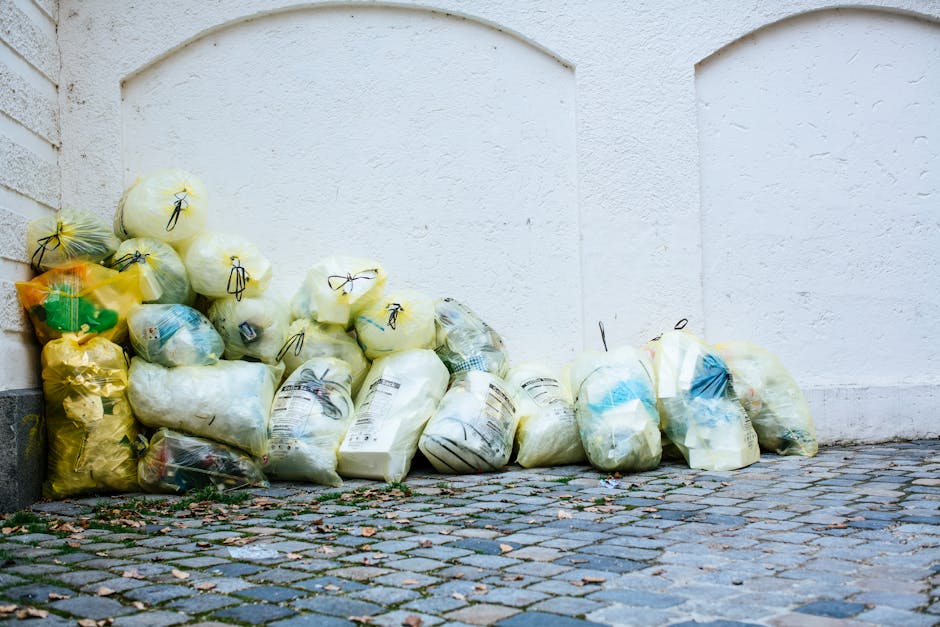
Apartment access problems for rubbish collection Wembley Park

If you live in a block of flats, a converted house, or a managed apartment building, you already know the awkward bit is rarely the waste itself. It is the access. A locked gate, no lift access, a narrow stairwell, a missing fob, a loading bay that is always busy - and suddenly a simple rubbish collection turns into a small logistical puzzle. That is exactly why Apartment access problems for rubbish collection Wembley Park deserve proper attention. In Wembley Park, where modern developments, concierge desks, resident-only entrances, and shared service areas are common, getting collections out smoothly often depends on planning more than force.
This guide breaks the issue down in plain English. You will see what access problems usually look like, why they matter, how collection teams work around them, what best practice looks like, and how to avoid the kind of delays that lead to extra time, extra cost, or missed pickups. It is practical stuff, not theory. Let's get into it.
Why Apartment access problems for rubbish collection Wembley Park Matters
Access issues may sound minor until you are standing outside a block with bags, broken furniture, or mixed waste waiting to go. Then they feel very real. In a place like Wembley Park, apartment access can shape the whole collection experience because many buildings are designed for security, not for easy waste removal. That is fair enough - residents want safety and privacy. But it does mean rubbish collection needs a bit of forethought.
When access is poor, several things can happen:
- collections take longer than expected
- items cannot be moved safely from the flat to the vehicle
- teams need residents, concierges, or building staff to unlock routes
- large items get left behind because they cannot fit through tight turns or lifts
- shared bin stores become cluttered, which attracts pests and creates complaints
And there is a knock-on effect. If waste sits in corridors or bin rooms for too long, the building can start to feel untidy fast - a smell by the lift, a box wedged near the fire door, that sort of thing. Nobody enjoys that. Not residents, not managing agents, not the crew trying to clear it.
There is also a safety angle. Carrying awkward items down stairs or through narrow communal areas increases the risk of damage and injury. So the goal is not just "get the rubbish out"; it is to get it out in a way that is safe, efficient, and respectful of the building.
Practical takeaway: In apartment buildings, access is part of the waste job, not a side issue. If access is unclear, collections become slower, riskier, and more expensive to resolve.
How Apartment access problems for rubbish collection Wembley Park Works
When a collection team handles an apartment pickup, the process usually starts before anyone lifts a bag. Good operators will ask the right questions up front: Is there lift access? Is there a loading bay? Is there a concierge? Are parking restrictions in place? Can items be taken through communal areas? These details decide whether the job can be done smoothly or whether somebody arrives and says, "Right... now what?"
Here is how access typically affects the job in real terms.
1. Arrival and building entry
The first challenge is simply getting in. Some Wembley Park blocks use key fobs, intercoms, concierge desks, or resident-only entrances. If the collection team is not expected, they may end up waiting outside. Ten minutes here, five minutes there - it adds up.
2. Route to the waste point or flat
Once inside, the team needs a safe route to where the waste is stored. That might be a bin room, storage cage, basement area, service lift, or the flat itself. Tight corners, heavy fire doors, and narrow hallways can make bulky items difficult to move. A sofa that looks manageable in a living room can suddenly feel twice its size in a corridor. You know the type.
3. Handling and loading
Collection teams usually move items manually, using trolleys, dollies, lifting straps, or similar equipment where appropriate. But if the route is too restricted, items may need to be dismantled first. That is why it helps to know beforehand whether furniture clearance, appliance removal, or mixed waste removal is needed. If the job includes bulky items, a service such as furniture clearance can be a much better fit than a standard bag-only pickup.
4. Exit and site tidying
Once the waste is loaded, the team should leave the route tidy. No loose screws left in a hallway, no broken packaging dragged back through the lobby. Small detail, big difference. In apartment settings, neatness matters because the building is shared space.
Sometimes the main issue is not physical access at all, but procedural access: no booking slot with the concierge, no one available to sign in, or unclear instructions about where waste should be left. That is why apartment collections work best when everyone knows the plan before the day arrives.
Key Benefits and Practical Advantages
Sorting out apartment access properly is not just about making life easier for the collection crew. It also gives residents, landlords, and building managers a few real advantages.
- Fewer missed collections: Clear access instructions reduce the chance of wasted journeys and follow-up calls.
- Safer movement of waste: Good access planning lowers the risk of damage to walls, lifts, and communal flooring.
- Less disruption to neighbours: Faster, cleaner collections mean less noise, clutter, and awkward lifting in shared areas.
- Better building presentation: Clean bin stores and tidy corridors make a block feel looked after.
- More accurate pricing: When access and item type are clear, quotes are more likely to reflect the real job rather than a guess.
- Improved compliance: Clear handling arrangements help support sensible waste separation and responsible disposal.
There is also a time-saving benefit that people underestimate. A job that is planned properly can often be completed in one visit. When access is vague, you can end up with a chain of messages, photos, and "Can you let them in at 3:15?" style juggling. Honestly, nobody has the energy for that on a busy weekday.
If the building produces a steady flow of waste or bulky items, you may also want to compare recurring removal needs with broader waste removal support rather than treating each problem as a one-off emergency.
Who This Is For and When It Makes Sense
This topic matters to more people than you might think. It is not just for residents dragging an old wardrobe down two flights of stairs. It is also for property managers, landlords, letting agents, concierge teams, and even contractors clearing after refurbishment.
Residents
If you live in a flat in Wembley Park and you have bulky waste, mixed rubbish, or items too large for standard communal bins, access planning helps you avoid the classic last-minute scramble. You want to know whether items can be collected from inside the property, from the bin store, or from a designated pickup point.
Landlords and managing agents
For landlords and agents, access problems often show up at move-out. Left-behind furniture, damaged appliances, and bags of unwanted items can delay turnaround between tenancies. A structured flat clearance approach is often the easiest fix, and in many cases flat clearance is more suitable than general rubbish collection because it deals with mixed contents more efficiently.
Concierge and building staff
Concierges and site teams often become the middle layer between residents and collectors. If they are not given clear instructions, access delays happen. If they are given a booking time, item list, and contact details, things usually go much better. Simple really.
Contractors and tradespeople
Builders, decorators, and fit-out teams working in apartment blocks frequently run into access constraints. Protecting communal spaces, loading from service entrances, and booking timed slots can be essential. In those cases, builders waste clearance may be more suitable than a standard domestic collection.
It makes sense whenever the waste cannot simply be wheeled straight to the pavement. If there is a door code, a lift booking, a narrow staircase, or any shared area to protect, access planning is worth doing.
Step-by-Step Guidance
Here is a practical way to deal with apartment access problems without overcomplicating things.
- Identify the waste type. Separate general rubbish, furniture, appliances, cardboard, and anything that may need special handling. The clearer the mix, the better the plan.
- Check the access route. Look at the route from flat to exit. Are there stairs? Is the lift large enough? Are there fire doors, bends, or security gates?
- Confirm who can provide entry. Decide whether residents, a concierge, a caretaker, or a building manager will be present. No one likes standing outside pressing the intercom for ten minutes.
- Note parking and loading restrictions. If the vehicle cannot stop close enough, the job may take longer or require extra handling.
- Photograph bulky items if needed. A quick photo can help avoid surprises. A wardrobe, mattress, or fridge may be more awkward than it looks in writing.
- Book the right type of service. Match the job to the access conditions. For example, if the items are awkward or heavy, services like mattress and sofa disposal or fridge and appliance removal may be a better fit than a general clearance.
- Prepare the items in advance. If permitted, move waste to the agreed collection point, flatten cardboard, and keep hallways clear.
- Keep the booking contact reachable. A phone that goes to voicemail is a small thing, but it can stall the whole collection.
- Confirm completion and any exceptions. If some items could not be removed due to access limits, note why. That helps avoid repeat confusion later.
A tiny extra point, but an important one: if the access route is genuinely tight, do not force it. Forcing a bulky item around a corner can damage the building and the item. Sometimes the best move is to dismantle, reclassify, or reschedule. Not glamorous, but sensible.
Expert Tips for Better Results
After dealing with enough apartment collections, a few patterns become obvious. The jobs that go smoothly are usually the jobs where somebody thought one step ahead.
Tip 1: Treat access like part of the quote
Access is not an add-on. It affects labour time, loading effort, and sometimes even the number of crew members needed. A job on the ground floor with direct exit access is very different from a fourth-floor flat with no lift and a narrow stairwell.
Tip 2: Use clear labels and staging
If waste is being left in a bin store or designated room, label what stays and what goes. In shared buildings, confusion spreads quickly. One person's "to be collected" pile becomes another person's "I thought that was still needed."
Tip 3: Measure awkward items before booking
This is especially helpful for wardrobes, desks, beds, and white goods. Measure the item and the doorway or lift opening. It sounds obvious, but people forget. Then the sofa arrives at the door and suddenly everyone has a silent, uneasy look on their face.
Tip 4: Keep communal spaces protected
Use floor protection if the building requires it, and avoid dragging items over polished or freshly cleaned surfaces. A scuffed hallway creates friction with neighbours faster than almost anything else.
Tip 5: Think about repeat access patterns
If your building regularly needs waste collection, create a repeatable process. Same contact person, same booking window, same pickup point, same instructions. Repetition can be boring, yes, but boring is excellent when it comes to access.
For residents trying to reduce what needs to be removed in the first place, practical sorting also helps. If the waste includes mixed paper, cardboard, and packaging, a guide like sorting and recycling smarter with packaging and cardboard disposal can reduce the volume before collection day.
Common Mistakes to Avoid
A lot of access issues are avoidable. The problem is that they are easy to overlook when people are busy.
- Assuming the collector will "figure it out" on the day. This is the quickest route to delay.
- Forgetting to mention stairs or lift restrictions. A collection team should not have to discover a narrow service corridor after arrival.
- Leaving bulky items in the wrong place. Shared hallways are not storage spaces, even temporarily.
- Mixing prohibited items with general waste. If there are hazardous materials, they need separate attention.
- Not checking building rules. Some blocks have strict policies about where and when items can be moved.
- Booking the wrong type of service. A small bag collection may not suit a full flat clearance, and that mismatch causes frustration on both sides.
One classic mistake is overconfidence. "It's only a few items," people say, then there is a treadmill, two broken drawers, a mattress, and a fan heater involved. It happens more than you'd think.
Tools, Resources and Recommendations
You do not need a complicated toolkit, but a few practical things can make apartment collections much easier.
| Tool or resource | Why it helps | Best use case |
|---|---|---|
| Measuring tape | Checks whether bulky items will fit through doors, lifts, and corridors | Furniture, appliances, and tight access routes |
| Phone camera | Shows item size, stair layout, and bin room access before the visit | Remote booking and quote accuracy |
| Floor or wall protection | Reduces scuffs and damage in communal areas | Managed apartment buildings |
| Labels or notes | Clarifies what should be collected and what should remain | Flat clearances and shared storage areas |
| Building access instructions | Lets teams know entry codes, fob points, and collection windows | Concierge-led or gated developments |
| Booking confirmation | Reduces confusion about time, location, and contact details | Any scheduled apartment collection |
For people comparing broader waste support, flat clearance, home clearance, and house clearance are worth understanding because the best choice depends on how much waste there is, how the building is laid out, and whether the job involves full contents or just a few items.
If you want a fuller sense of how a collection provider handles security and site safety, the pages on insurance and safety and health and safety policy are useful reference points. They help set expectations for what a careful operator should be thinking about before stepping inside a managed building.
Law, Compliance, Standards, or Best Practice
Apartment access work touches on more than convenience. It also intersects with sensible waste handling, building safety, and responsible disposal practices. Without getting overly legal about it, a few UK best-practice principles are worth keeping in mind.
First, waste should be stored and removed safely. Shared hallways, fire exits, and communal entrances should not be blocked. That is basic building common sense, but it also matters for safety and neighbour relations.
Second, not all waste is the same. Fridges, mattresses, sofas, broken electricals, and any potentially hazardous items may require different handling routes. Mixed waste should not be treated casually. If there is anything unusual, ask before the collection day rather than after.
Third, access arrangements should respect building rules. Many blocks have specific expectations about service lift use, loading windows, parking, and concierge contact. These are not just admin quirks; they are part of keeping the building functional.
Fourth, documentation helps. Clear booking notes, item lists, and any site instructions make it easier to resolve issues if something goes wrong. It also helps if residents and managers later need to check what was agreed.
For waste that needs special attention, a service such as hazardous waste disposal should be handled with extra care and never mixed in with general rubbish. Similarly, if confidential paperwork is involved during a move-out or office-to-apartment crossover, confidential shredding is the cleaner option.
And if sustainability matters to your building - which it increasingly does - recycling and sorting should be built into the process rather than treated as an afterthought. That is where a page like recycling and sustainability can support a more responsible approach.
Options, Methods, or Comparison Table
There are a few different ways to handle apartment rubbish collection in Wembley Park, and the best one depends on the access setup, the amount of waste, and how quickly the job needs doing.
| Method | Best for | Strengths | Limitations |
|---|---|---|---|
| Resident-prepared collection point | Small, sorted waste in a building with clear shared access | Quick, simple, low disruption | Depends heavily on resident organisation and building rules |
| Flat-by-flat removal | Bulky items or mixed waste inside individual apartments | More thorough, useful for clearances | More labour-intensive; access and route protection matter |
| Bin store pickup | Bagged waste staged in a designated area | Efficient if the store is easy to reach | Can fail if the store is locked, cramped, or overfilled |
| Timed concierge-assisted collection | Managed blocks with security or controlled entry | Reliable when staff coordination is good | Depends on punctuality and building contact availability |
| Full flat clearance | Move-outs, refurbishments, end-of-tenancy clearances | Best for larger volumes and mixed items | Needs the most preparation and access planning |
In day-to-day terms, the choice usually comes down to one question: how much access is already available? If waste can be left in a reachable point, collection is easier. If the team has to move everything from inside the flat through several access barriers, you are probably looking at a more involved service. That is not a problem, just a different job.
Case Study or Real-World Example
Here is a realistic example based on the kind of scenario that comes up often in Wembley Park.
A resident in a modern apartment block needs an old sofa, a mattress, and several bags of household waste removed after a room refresh. The building has a concierge desk, lift access, and a secure entrance, but no direct parking outside the front door. The first instinct is to leave everything in the lobby the night before. Sounds convenient. It is also the sort of thing that can create complaints from neighbours and conflict with building rules.
Instead, the better approach is to check the collection window, confirm the loading route, and ask the building team where items can be placed shortly before pickup. The sofa is measured first. The lift dimensions are checked. One bag of mixed packaging is separated from the rest because it can be flattened. The collection team arrives with the right vehicle and enough time to move the items from the flat to the exit without holding the lift open for half the morning.
Nothing dramatic happens. Which, in waste removal, is often the success story. No damaged walls, no missed slot, no angry email from the managing agent. Just a clean handover and a cleared room. Sometimes that is the whole win right there.
If the resident had guessed at the access route, the sofa might have been too awkward to move through the stairwell, or the team might have arrived without enough information to complete the job. A few minutes of planning prevented a lot of hassle.
Practical Checklist
Use this before arranging a collection in a Wembley Park apartment building.
- Confirm what waste needs removing
- Separate bulky items from bagged rubbish
- Measure large furniture or appliances
- Check lift size and stair access
- Ask whether a concierge or resident must provide entry
- Note door codes, fobs, or booking restrictions
- Confirm where items can be placed before pickup
- Keep hallways, fire exits, and shared routes clear
- Photograph awkward items if helpful
- Match the job to the correct service type
- Make sure the contact phone number will be answered
- Ask about anything unusual, including hazardous items or restricted waste
Quick expert summary: if you want the cleanest result, treat apartment access as part of the waste plan from the very beginning. That one habit removes most of the stress. It really does.
If you are ready to move from planning to action, you can review booking details on book online or compare service and estimate options through pricing and quotes. If you still have questions about the building or the collection setup, the contact us page is the natural next step.
Conclusion
Apartment access problems for rubbish collection Wembley Park are usually not about the rubbish itself. They are about the path to it. Once you understand the route, the building rules, the item sizes, and who controls entry, the whole process becomes much easier to manage. That is true whether you are clearing a flat after a move, removing a sofa from a managed block, or handling regular waste in a busy apartment development.
The best results come from simple things done early: measure, confirm, label, book properly, and leave the route clear. Nothing flashy. Just good preparation and a realistic view of how apartment buildings actually work. And to be fair, that is usually what keeps everyone sane.
Get a free quote today and see how much you can save.
When access is planned well, rubbish collection stops feeling like a problem and starts feeling like one less thing to think about. That small relief is often worth a lot.
Frequently Asked Questions
What are the most common apartment access problems for rubbish collection in Wembley Park?
The most common issues are locked entrances, missing fobs, no lift access, narrow stairwells, blocked communal areas, and unclear collection instructions. In managed blocks, timed entry and concierge coordination can also be a sticking point.
Can rubbish be collected from inside a flat in an apartment building?
Yes, often it can, provided the access route is safe and agreed in advance. The team needs enough room to move items through the building without damaging walls, floors, or shared spaces. If access is tight, a different collection method may be better.
Do I need to clear waste into the bin store before collection?
Not always. Some jobs are better handled from inside the flat, while others work well from a designated collection point. It depends on the item type, building rules, and how easy it is to move waste through the property.
What if the lift is too small for my furniture?
If the lift is too small, the item may need to be dismantled, carried via stairs, or handled by a service that specialises in bulky item removal. It is better to check measurements first than to find out at the door.
Are there extra costs for difficult access?
There can be, depending on the amount of labour, the time involved, and whether special handling is needed. The most reliable approach is to describe the access conditions clearly before booking so the quote reflects the real job.
What should managing agents provide before a collection?
Helpful details include the entry method, collection window, loading bay instructions, lift availability, waste location, and any building restrictions. A named contact for the day is also very useful, especially in larger developments.
Can large items like sofas and mattresses be removed from an apartment?
Yes, but access matters a lot. Sofas and mattresses can be awkward in stairwells and tight corridors. Services such as mattress and sofa disposal are designed for that kind of work, though the building layout still needs to allow safe movement.
What happens if access is blocked on the day?
If the team cannot get in or cannot move items safely, the collection may need to be rescheduled or partially completed. That is frustrating, but it is usually better than forcing the job through an unsafe route.
Is flat clearance better than a standard rubbish collection for apartment move-outs?
Often, yes. Flat clearance is usually a better fit when there are multiple items, mixed contents, or an entire property to clear. It is more comprehensive and better suited to end-of-tenancy or moving-day situations.
What items need special care in apartment clearances?
Appliances, fridges, sofas, mattresses, electronics, and any hazardous or confidential waste need attention. They may have different handling, disposal, or sorting requirements, so they should be identified before collection day.
How can I make apartment waste collection easier next time?
Create a repeatable process: keep access instructions updated, note the best entry route, measure common bulky items, and store the correct contact details in one place. Once you do it once properly, the next collection is much easier.
Should I choose general waste removal or a more specific clearance service?
If you only have a few mixed bags, general waste removal may be enough. If you are clearing furniture, appliances, or the contents of a flat, a more specific service like flat clearance or furniture clearance is usually more efficient.
Where can I find more information about safe and responsible collection?
It helps to review pages on safety, recycling, and the type of clearance you need. Those details give you a better sense of what the service should cover and what information to provide in advance.